
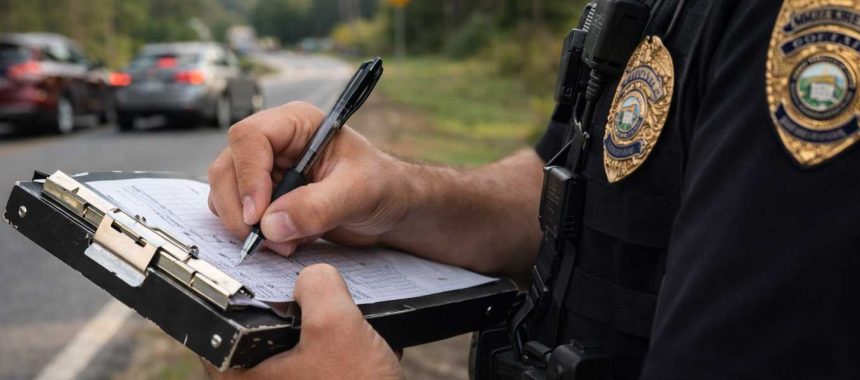
If you are in a car accident in North Georgia, call 911 immediately, seek medical care even if injuries seem minor, document the scene, request the accident report, avoid admitting fault, notify your insurer carefully, and consult a car accident attorney before accepting any settlement.
Estimated reading time: 6 minutes
Car accidents happen every day across North Georgia — from high-speed crashes on I-985 in Gainesville to heavy commuter traffic collisions along GA-400 in Cumming and Dawsonville. Whether your crash occurred on Highway 60 in Dahlonega, near Jesse Jewell Parkway in Hall County, or on a rural two-lane road in Lumpkin County, the steps you take immediately after an accident can significantly impact your health, safety, and legal rights.
This step-by-step guide explains exactly what to do after a car accident in North Georgia and how to protect your right to compensation under Georgia law.
Step 1: Call 911 Immediately
Your first priority after any crash is safety. Calling 911 helps ensure law enforcement and medical personnel respond and creates an official accident report that insurers often rely on.
- Police respond to document what happened
- Emergency medical professionals evaluate injuries
- An accident report is created for your claim
Step 2: Get Medical Care — Even If You Feel Fine
Many injuries do not show symptoms right away. Seeking medical care protects your health and documents injuries for your insurance claim.
- Whiplash and soft tissue injuries
- Concussions and head trauma
- Back and neck injuries
- Internal injuries
Step 3: Move to Safety and Preserve the Scene
If it is safe and your vehicle is drivable, move it out of active traffic. Turn on hazard lights and remain cautious of surrounding vehicles.
Before speaking with insurance adjusters, learn your rights.
Request a free case review here.
Step 4: Document Everything
The more evidence you gather, the stronger your claim may be.
- Vehicle damage and positions
- Road conditions and skid marks
- Traffic signs and signals
- Visible injuries
- Insurance cards and driver information
- Witness names and contact details
Step 5: Request the Official Accident Report
Accident reports often include diagrams, citations, and officer observations. This document can play a critical role in proving liability.
Step 6: Do Not Admit Fault
Georgia follows a modified comparative negligence rule. Even simple statements can later be used against you. Stick to the facts and allow the investigation to determine fault.
Step 7: Notify Your Insurance Company Carefully
Report the crash promptly, but avoid recorded statements or detailed injury discussions until you understand your rights.
- Do not speculate about fault
- Do not minimize injuries
- Do not accept a quick settlement without review
Step 8: Understand Insurance Coverage in Georgia
Serious crashes can exceed minimum policy limits. In some cases, uninsured or underinsured motorist coverage may apply.
Step 9: Know Your Deadline to File
In many Georgia injury cases, you generally have two years from the date of the crash to file a lawsuit. Exceptions may apply.
Common Accident Areas in North Georgia
- Gainesville (Hall County): Gainesville car accident lawyer
- Cumming (Forsyth County): Cumming car accident attorney
- Dahlonega (Lumpkin County): Dahlonega car accident lawyer
- Dawsonville (Dawson County): Dawsonville car accident attorney
What Your North Georgia Car Accident Case May Be Worth
- Emergency medical expenses
- Lost wages and reduced earning capacity
- Pain and suffering
- Vehicle repair or replacement
- Long-term disability
- Wrongful death damages
When Should You Contact a Car Accident Lawyer?
If you suffered injuries, face insurance disputes, or are being pressured to settle quickly, speaking with an experienced car accident attorney can help protect your rights.
© 2026 McManes Law. This article is for informational purposes only and does not constitute legal advice. Reading this article does not create an attorney-client relationship.