
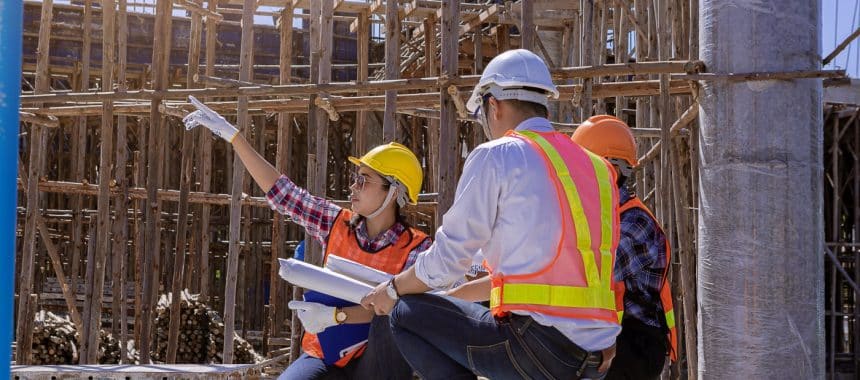
What to Do After a Construction Site Injury in Georgia
What you do after a construction site injury can affect both your health and your ability to recover compensation.
Construction sites are among the most dangerous workplaces in Georgia. Falls, heavy equipment, electrical hazards, collapsing materials, and unsafe job site conditions can leave workers facing serious injuries and uncertainty about what to do next.
If you were injured on a construction site in Georgia, taking the right steps early can help protect your medical care, your income, and any legal claim that may follow.
- Get medical attention immediately
- Report the injury to your employer right away
- Start the workers compensation process
- Document the scene and preserve evidence
- Find out whether third-party liability may exist
- Speak with a lawyer before accepting less than your case may be worth
1. Get Medical Attention Immediately
Your health comes first. Even injuries that seem minor after a construction accident can worsen over time. Prompt medical treatment helps protect both your physical recovery and your claim.
If the injury is severe, go to the nearest emergency facility immediately. If the injury is less urgent, Georgia workers compensation rules may require treatment through an approved provider, but emergency care should never be delayed.
2. Report the Injury to Your Employer
Report the injury as soon as possible. Georgia law may allow up to 30 days in some situations, but waiting can make the claim harder to protect.
When reporting the injury, document:
- Where the accident happened
- How the injury occurred
- What equipment or conditions were involved
- Who saw the incident
Delays give the insurance company an opportunity to question whether the injury was truly work-related.
3. Start the Workers Compensation Claim Process
Most construction workers in Georgia are covered by the workers compensation system. That system may provide medical treatment and partial wage replacement after an on-the-job injury.
Workers compensation is important, but it is not always the full picture. It is a no-fault system, which means you do not have to prove your employer caused the injury, but the available benefits are often limited.
Common Workers Compensation Benefits May Include:
- Medical benefits: doctor visits, surgery, medication, rehabilitation, and follow-up care
- Income benefits: partial wage replacement if you cannot work
- Permanent disability benefits: compensation based on lasting impairment
- Vocational support: help if you cannot return to your prior role
If you want to understand your broader options, start with our guide to workers compensation vs. personal injury in Georgia.
4. Document the Incident Thoroughly
Strong documentation can make a major difference. Start gathering and preserving evidence as soon as possible.
- Photos or video of the accident scene
- Unsafe equipment, scaffolding, ladders, or debris
- Witness names and contact information
- A written timeline of what happened
- Medical records, bills, and receipts
Construction sites change quickly, and important evidence may disappear if it is not preserved early.
5. Understand Whether a Third Party May Be Responsible
Not every construction injury is limited to workers compensation.
Construction accidents often involve multiple companies and parties on the same job site, including contractors, subcontractors, equipment manufacturers, vendors, and property owners.
If someone other than your direct employer contributed to the injury, you may also have a separate personal injury claim.
A third-party claim may allow recovery for damages that workers compensation does not fully cover, including:
- Pain and suffering
- Full lost wages
- Long-term financial harm
- Additional losses beyond workers compensation benefits
Learn how construction accident cases are handled in Alpharetta →
6. Speak With a Construction Injury Attorney Early
Construction site injury cases can become complicated quickly, especially when both workers compensation and third-party liability may be involved.
An experienced attorney can help:
- Protect your workers compensation claim
- Appeal denied or delayed benefits
- Investigate third-party liability
- Preserve evidence before it disappears
- Negotiate with insurance companies
- Protect you from low settlement offers
Common Construction Site Injuries
- Falls from heights: ladders, scaffolding, roofs, and elevated work platforms
- Struck-by accidents: tools, debris, machinery, or falling materials
- Electrocution injuries: exposed wiring, live circuits, or unsafe equipment
- Machinery accidents: crush injuries, amputations, and severe trauma
- Repetitive motion injuries: long-term wear and strain from heavy labor
Your Rights After a Construction Injury in Georgia
Employers and job site operators must follow safety rules and provide reasonably safe working conditions. When those obligations are ignored, your rights may extend beyond a basic workers compensation claim.
Understanding whether your case involves only workers compensation or also includes third-party liability can have a major effect on what compensation may be available.
Construction Injury FAQs
Get medical treatment, report the injury to your employer, document the accident scene, and preserve any evidence connected to the incident.
Most construction workers are covered by Georgia workers compensation, which may provide medical benefits and partial wage replacement after a job-related injury.
You may have a separate personal injury claim if someone other than your employer contributed to the accident, such as a contractor, subcontractor, property owner, or equipment manufacturer.
You may still have options to challenge the denial, appeal the decision, and investigate whether additional third-party liability exists.
As soon as possible, especially if the injury is serious, the claim is being disputed, or you believe another party may have contributed to the accident.
Final Thoughts
The steps you take after a construction site injury in Georgia can directly affect the strength and value of your claim.
Many injured workers assume the case begins and ends with workers compensation, but that is not always true. On a construction site, multiple parties may be involved, and that can create opportunities for broader recovery.
If you are unsure whether your case involves only workers compensation or something more, speaking with a lawyer early can help protect your options.